Which ROOTARI Nannari products are available now?
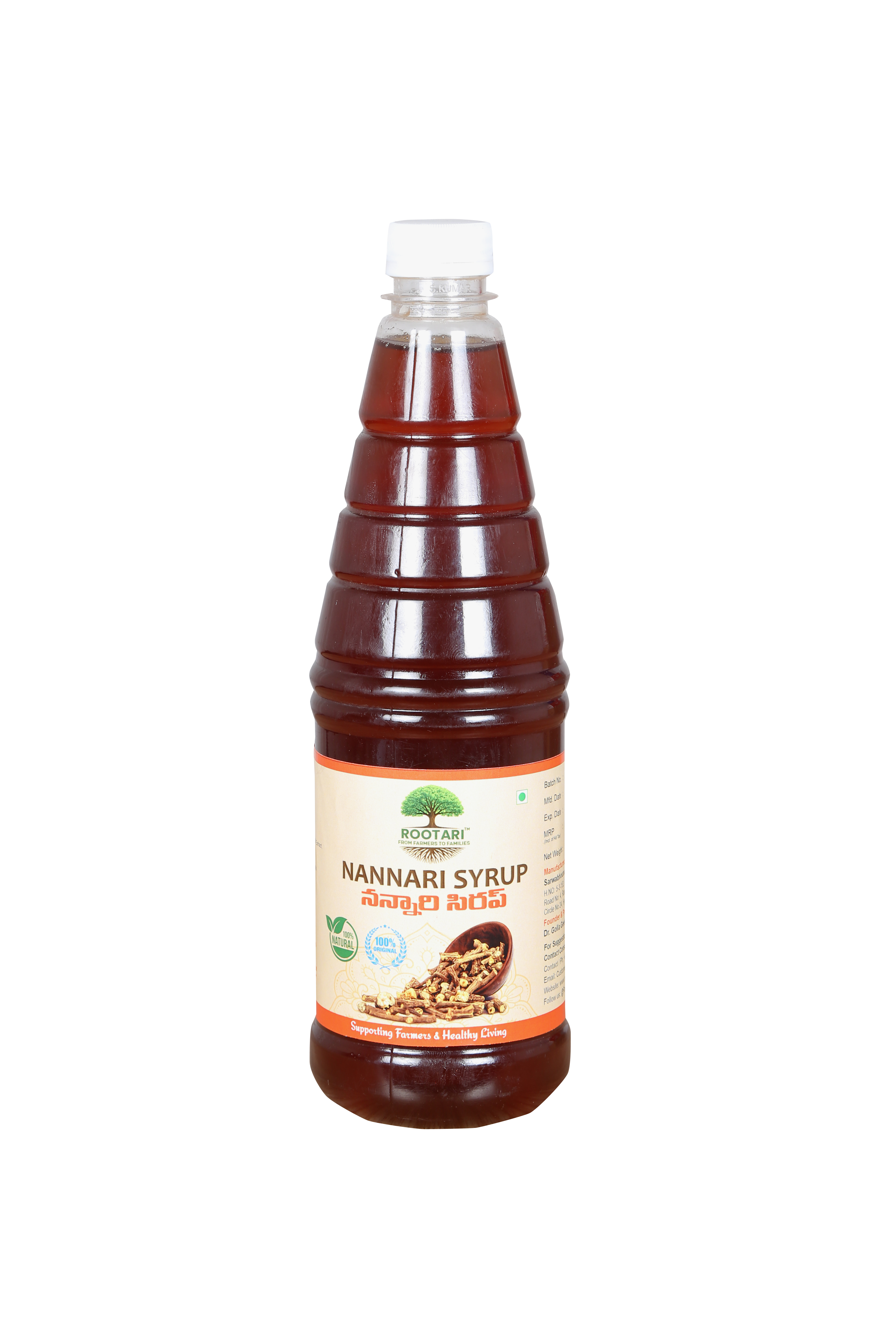
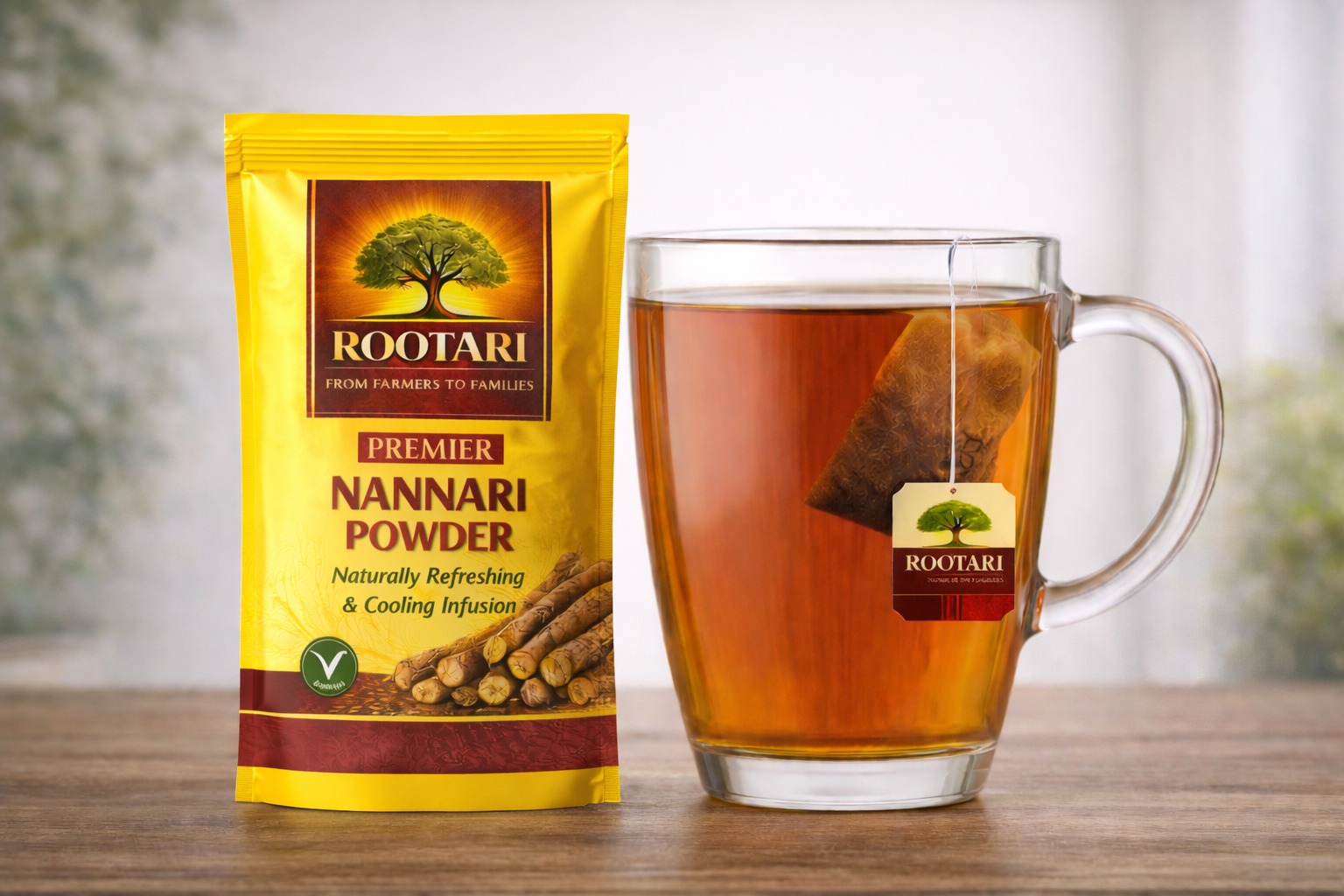
Current availability is shown on each product page. ROOTARI Nannari Syrup and the displayed sugar-free concentrate can be purchased when marked in stock; roots, infusion and pickle marked “Coming Soon” are developing formats and are not yet offered for purchase.
What makes ROOTARI products different?
ROOTARI connects cultivated Nannari roots, root-based product development, transparent label information and farmer-linked value addition. We explain what is currently available and clearly separate it from products still under development.
Does ROOTARI use original Nannari roots?
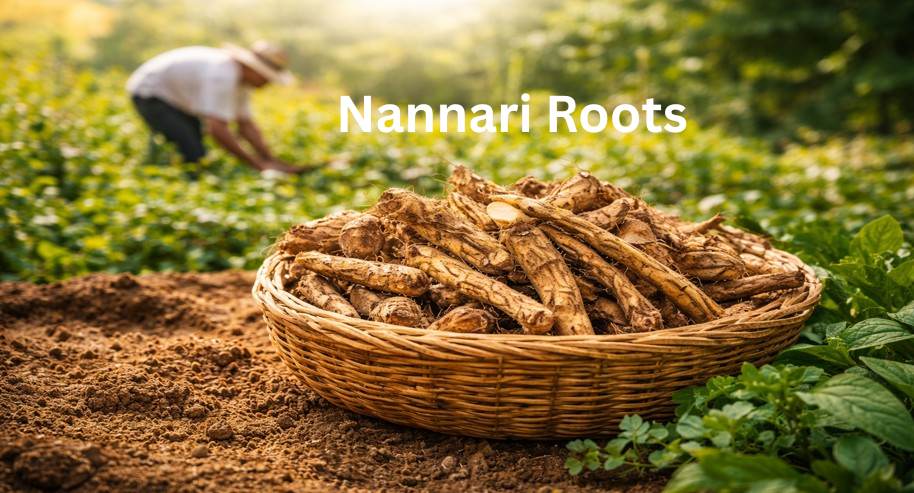
ROOTARI’s Nannari product vision begins with cultivated roots. Refer to the ingredient list on the specific pack for the exact composition of the product you are purchasing.
Are ROOTARI Nannari roots certified organic?
Our cultivation approach uses organic farming practices. The roots are not presently certified organic, so ROOTARI does not present them or finished products as certified-organic products.
What colour and appearance should a root-based Nannari drink have?
A traditionally extracted Nannari syrup drink commonly has a naturally muted brown, reddish-brown or wine-toned appearance rather than a highly glossy look. A slight haze or very fine botanical particles can occur in a root-based preparation. Follow the product label, and do not consume a product showing mould, gas, package swelling or an off smell.
What is the difference between ROOTARI syrup and sugar-free concentrate?
The syrup is a sweetened serving format, while the sugar-free concentrate is intended for customers who prefer a product without added sugar. Always compare the current ingredient list, dilution directions and nutrition information on the relevant pack.
How do I prepare ROOTARI Nannari Syrup?
Dilute it according to the directions on the bottle. It can be served with chilled water or another suitable beverage base, depending on your preference. Use a clean, dry spoon or measure and follow the storage instructions after opening.
Can Nannari be enjoyed beyond summer?
Yes. Nannari is familiar as a summer beverage, while root, infusion and food formats can support different serving ideas across seasons. Availability and preparation instructions vary by product.
Does ROOTARI make medical claims for Nannari products?
No. ROOTARI presents Nannari as a food and botanical tradition. Our products are not intended to diagnose, treat, cure or prevent disease; customers should rely on the product label and seek qualified advice for individual health concerns.
Can children consume ROOTARI products?
Suitability depends on the product, ingredients, serving size, age and individual dietary needs. Caregivers should review the label, account for sugar in sweetened products and obtain professional advice when needed.
How should ROOTARI products be stored?
Follow the storage directions printed on the specific pack because requirements can differ by format. Keep the container closed, use clean utensils and do not consume a product after its declared date or when it shows signs of spoilage.
Does ROOTARI accept wholesale or HoReCa orders?
Yes. ROOTARI evaluates wholesale, retail, café, restaurant, hotel, catering and institutional enquiries according to product, pack size, volume, destination and current availability.
Are private-label and custom product opportunities available?
Private-label and product-development enquiries are evaluated individually based on formulation scope, packaging, minimum quantity, compliance requirements and current production capability. A discussion does not constitute a supply commitment.
Can businesses enquire about export or bulk Nannari roots?
Yes. Export and bulk-root enquiries can be reviewed for destination, intended use, quantity, specification, documentation and supply availability. Final terms are confirmed in writing.